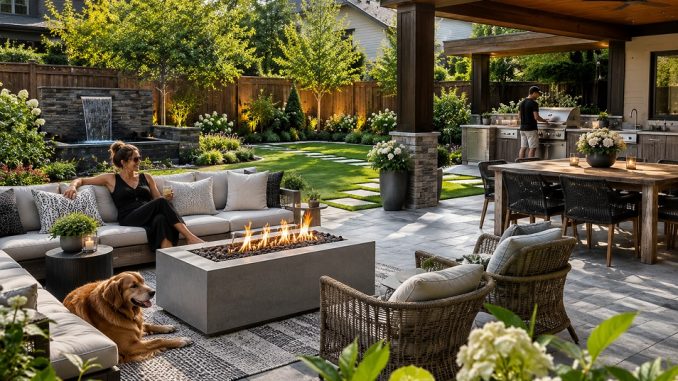
A backyard is rarely just grass and a fence — it is the quiet extension of a home that most people forget to design on purpose. Christopher Dardarian Etobicoke has built a reputation around exactly this idea, treating outdoor areas as living rooms without a roof rather than leftover land. Homeowners across the Greater Toronto Area are realizing that a well-planned yard adds daily comfort, not just curb appeal.
The shift happens when people stop viewing landscaping as decoration and start viewing it as infrastructure for how they actually live. A patio becomes a dining room, a garden bed becomes a quiet retreat, and lighting turns a dark corner into a usable evening space. This mindset is what separates a yard that looks nice in photos from one that gets used every single day.
The Etobicoke Approach to Outdoor Living
Etobicoke’s mix of mature tree canopies, waterfront proximity, and established residential lots creates a unique canvas for landscape design. Local designers who understand this borough’s soil conditions, drainage patterns, and seasonal shifts can build spaces that survive Canadian winters and still look sharp in July. That regional knowledge is often the difference between a project that lasts and one that needs constant repair.
Working with a designer rooted in the neighborhood also means faster permitting knowledge and better supplier relationships. Local firms know which municipal bylaws affect fence heights, pool setbacks, or deck placements before a shovel ever hits the ground. This local-first approach reduces costly surprises and keeps renovation timelines realistic for homeowners planning a full outdoor overhaul.
Every strong outdoor renovation starts with a layout plan, not a plant list. Designers map out zones for cooking, lounging, swimming, and gardening before selecting a single material or shrub. This zoning process ensures the finished space flows naturally, so people are not tripping over furniture or wondering why the patio feels cramped despite having plenty of square footage.
Traffic flow matters just as much indoors as it does outside. A well-planned yard guides movement between the kitchen door, the seating area, and the garden without awkward detours. When paths, steps, and open spaces are placed with intention, even a modest-sized lot can feel spacious, organized, and genuinely comfortable to spend time in.
Hardscaping That Holds Up Over Time
Patios, walkways, and retaining walls form the skeleton of any outdoor space, and their material choice determines how well that skeleton ages. Natural stone, textured concrete, and quality pavers resist frost heave and cracking far better than budget alternatives, which matters enormously in a climate with harsh freeze-thaw cycles. Choosing the right base and drainage system underneath these surfaces prevents shifting for decades.
Good hardscaping also sets the tone for everything built on top of it. A well-laid patio makes outdoor furniture look intentional rather than randomly placed, and a properly graded walkway keeps water away from foundations. This is structural work disguised as aesthetics, and skipping it usually costs homeowners far more in repairs later.
Water Features and Pools as Lifestyle Investments
A swimming pool is no longer just a summer luxury; it has become a central gathering point for families who want to maximize backyard time. Modern pool design integrates seamlessly with surrounding patios, cabanas, and lighting so the pool feels like one piece of a larger living space rather than an isolated feature. Proper engineering also ensures the pool performs well through Ontario’s seasonal temperature swings.
Smaller water features, like fountains or reflecting ponds, offer similar benefits on a tighter budget. The sound of moving water masks street noise and creates a calming atmosphere that encourages people to linger outside longer. These additions, when placed thoughtfully, elevate a yard’s mood without requiring the footprint or maintenance of a full pool installation.
Gardens age poorly when they are planted purely for immediate visual impact. Skilled designers select native and adaptive plant species that mature gracefully, filling in gaps over several seasons rather than looking overgrown or sparse. This forward-thinking approach to plant selection saves homeowners money on replacements and keeps the garden looking intentional even five years after installation.
Layering plant heights, textures, and bloom times also keeps a garden visually interesting across all four seasons, not just during peak summer. Evergreens provide winter structure, perennials offer spring and summer color, and ornamental grasses add movement in the fall breeze. A garden designed this way rewards attention year-round instead of disappearing for half the calendar.
Outdoor Lighting That Extends the Day
Lighting is one of the most underrated tools in outdoor design, quietly determining whether a space gets used after sunset or sits dark and unused. Christopher Dardarian Etobicoke projects frequently emphasize layered lighting — path lights, uplighting on trees, and ambient fixtures near seating — because this combination makes a yard feel safe and inviting well into the evening hours.
Layered lighting also does subtle design work beyond function. Uplighting a mature tree creates a dramatic focal point at night, while soft path lighting guides guests without the harshness of a single floodlight. When lighting is planned alongside hardscaping and planting, rather than added as an afterthought, the entire yard reads as cohesive after dark.
Choosing Materials That Match a Home’s Character
A backyard renovation should feel like a natural extension of the house it surrounds, not a mismatched addition. Matching stone tones, wood finishes, and metal accents to a home’s existing architecture creates visual continuity between indoor and outdoor spaces. This attention to material harmony is often what makes a finished project feel custom rather than generic or catalog-ordered.
Durability matters just as much as style when selecting materials for a Canadian climate. Composite decking, weather-treated wood, and frost-resistant stone all perform differently under snow load and temperature swings. A knowledgeable designer weighs these practical factors alongside aesthetics, ensuring the finished space still looks and functions well after several harsh winters have passed.
Budgeting and Planning for a Full Transformation
Outdoor renovations often expand in scope once homeowners see what is possible, which makes early budgeting essential. Breaking a project into phases — hardscaping first, then planting, then lighting — allows families to spread costs over time without compromising the overall design vision. This phased approach also gives designers room to adjust plans as the space evolves.
Working with Christopher Dardarian Etobicoke clients often start with a consultation that maps priorities against realistic budget ranges before any construction begins. This upfront planning phase prevents the common problem of running out of funds halfway through a project, leaving a yard that is half-finished and mismatched. Clear budgeting from day one protects both the design intent and the homeowner’s wallet.
What Homeowners Notice After the Work Is Done
The real test of any outdoor renovation is how often the space actually gets used once construction wraps up. Families who invest in functional zoning, quality hardscaping, and thoughtful lighting consistently report spending more time outside, hosting more gatherings, and feeling less need to travel elsewhere for relaxation. The yard stops being an afterthought and becomes part of daily routine.
There is also a measurable impact on property value when outdoor spaces are designed with this level of care. Real estate agents across the GTA frequently note that professionally landscaped properties sell faster and command stronger offers than comparable homes with neglected yards. A thoughtfully transformed outdoor area pays dividends both in daily enjoyment and in long-term home value.



Leave a Reply
You must be logged in to post a comment.