Homeowners often ask, “professional is it code to have an expansion tank on a water heater?” The answer depends on your plumbing system, local building codes, and whether your home has a closed water system. Expansion tanks are designed to protect your plumbing system by absorbing the increased pressure created when water heats and expands inside the water heater. While not every home is legally required to have one, many local plumbing codes and manufacturers recommend or require expansion tanks under certain conditions.
Understanding when an expansion tank is necessary can help protect your water heater, extend the lifespan of your plumbing system, and ensure your home remains compliant with local building regulations.
What Is an Expansion Tank?
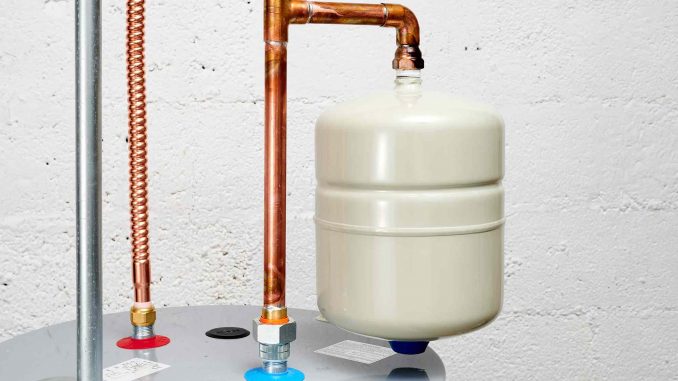
An expansion tank is a small metal tank installed on the cold-water supply line leading to a water heater. Inside the tank is a flexible rubber diaphragm that separates air from water.
As water heats inside the water heater, it naturally expands. Because water cannot be compressed, this increased volume creates additional pressure inside the plumbing system. The expansion tank absorbs this excess pressure, preventing damage to pipes, fixtures, and the water heater.
Without an expansion tank, thermal expansion can place unnecessary stress on your plumbing components.
Why Water Expands When Heated
Water changes volume as its temperature increases. Inside a water heater, cold water enters the tank and is heated to the desired temperature. As the water expands, pressure builds within the system.
In homes with an open plumbing system, this pressure may flow back into the municipal water supply. However, many modern homes have closed plumbing systems where backflow prevention devices or pressure-reducing valves prevent water from flowing backward.
In these situations, pressure has nowhere to go unless an expansion tank is installed.
Professional Is It Code to Have an Expansion Tank on a Water Heater?
Many homeowners search online asking, “professional is it code to have an expansion tank on a water heater?” The answer is that many local plumbing codes require expansion tanks whenever a closed plumbing system exists.
Building codes often adopt standards developed by national plumbing organizations, but local jurisdictions may modify these requirements. Because regulations vary by location, homeowners should always verify requirements with their local building department or consult a licensed plumber.
A professional plumber can determine whether your home’s plumbing system requires an expansion tank to comply with applicable codes.
What Is a Closed Plumbing System?
A closed plumbing system prevents water from flowing back into the public water supply.
Common components that create a closed system include:
Pressure-reducing valves (PRVs)
Backflow preventers
Check valves
These safety devices protect the municipal water supply from contamination, but they also trap expanding water inside your home’s plumbing system.
In these cases, installing an expansion tank is often recommended or required.
Benefits of Installing an Expansion Tank
Even when local codes do not specifically require one, an expansion tank offers several important benefits.
Protects the Water Heater
Excess pressure can shorten the lifespan of a water heater by placing additional stress on internal components.
An expansion tank helps maintain safe operating pressure.
Reduces Plumbing Stress
High water pressure affects:
Pipes
Faucets
Shower valves
Toilets
Washing machine hoses
Dishwashers
Reducing pressure fluctuations helps extend the life of these plumbing fixtures.
Helps Prevent Leaks
Repeated pressure increases may weaken plumbing connections over time, increasing the likelihood of leaks.
An expansion tank absorbs pressure changes before they damage the system.
Improves Safety
Managing thermal expansion helps reduce unnecessary pressure inside the water heater, contributing to safer operation.
Signs You May Need an Expansion Tank
Your home may benefit from an expansion tank if you notice:
Water pressure fluctuations
Dripping temperature and pressure relief valve
Frequent plumbing leaks
Unexplained pipe noises
Premature water heater failure
Recently installed pressure-reducing valve
A licensed plumber can evaluate your plumbing system and recommend the appropriate solution.
Where Is an Expansion Tank Installed?
The expansion tank is normally installed on the cold-water supply pipe near the water heater.
Proper installation involves:
Correct sizing
Secure mounting
Proper air pressure adjustment
Leak-free plumbing connections
Professional installation helps ensure reliable operation and compliance with local codes.
Choosing the Correct Expansion Tank
Expansion tanks come in various sizes.
The appropriate size depends on factors such as:
Water heater capacity
Household water pressure
Incoming water pressure
Plumbing system design
Installing an undersized expansion tank may not provide adequate protection, while an oversized tank may be unnecessary.
A plumbing professional can determine the correct size for your system.
Maintenance Requirements
Expansion tanks require very little maintenance, but periodic inspection is recommended.
Routine maintenance includes:
Checking for leaks
Inspecting mounting brackets
Testing air pressure
Looking for corrosion
Replacing damaged tanks when necessary
Regular inspections help ensure continued protection of your plumbing system.
Professional Installation Matters
Although some homeowners attempt DIY plumbing projects, installing an expansion tank correctly requires knowledge of plumbing systems, water pressure, and local code requirements.
Professional installation reduces the risk of leaks and improper system performance.
Common Misconceptions
Some homeowners believe every water heater automatically requires an expansion tank. In reality, the need depends on the design of the plumbing system and local code requirements.
Others assume the temperature and pressure relief valve performs the same function. While the relief valve is an important safety device, it is designed to release dangerous pressure in emergency situations—not to manage normal thermal expansion during daily water heating.
An expansion tank and a relief valve work together but serve different purposes.
When Should You Replace an Expansion Tank?
Like other plumbing components, expansion tanks eventually wear out.
Signs that replacement may be necessary include:
Visible rust
Water leakage
Loss of air pressure
Internal diaphragm failure
Frequent relief valve discharge
Routine plumbing inspections can identify problems before they result in system damage.
Conclusion
If you’re asking, “professional is it code to have an expansion tank on a water heater,” the answer depends on your home’s plumbing system and local building regulations. In many homes with closed plumbing systems, expansion tanks are required or strongly recommended because they safely manage thermal expansion and help protect the water heater, pipes, and plumbing fixtures from excessive pressure.
Beyond code compliance, installing an expansion tank offers valuable long-term benefits, including improved system safety, reduced wear on plumbing components, fewer leaks, and a longer-lasting water heater. Consulting a licensed plumbing professional is the best way to determine whether your home requires an expansion tank and to ensure the installation is completed safely and in accordance with local building codes.