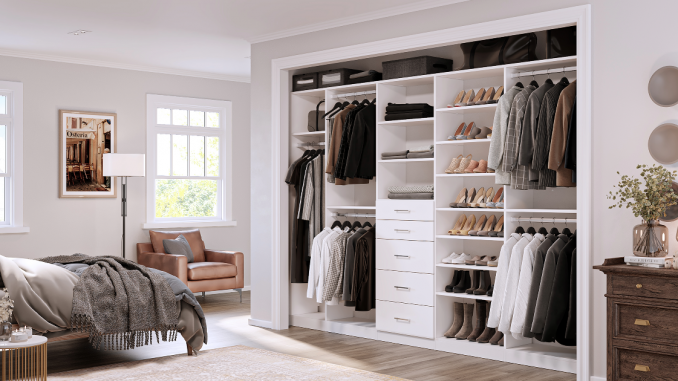
Introduction
A well-designed closet can make a major difference in how organized, comfortable, and functional a bedroom feels. While walk-in closets offer generous storage space, a reach in closets can provide excellent organization without requiring a large room. Modern designs use smart layouts, adjustable shelving, efficient hanging systems, drawers, and accessories to maximize every available inch.
Whether you are renovating a bedroom, upgrading an existing storage area, or designing a new home, a modern reach-in closet can combine practicality with attractive design. With thoughtful planning, even a compact closet can provide dedicated space for clothing, shoes, accessories, and everyday belongings.
What Is a Reach In Closet?
A reach-in closet is a storage area that is typically accessed from the front rather than entered like a walk-in closet. It usually occupies a section of a bedroom wall and may have sliding, hinged, folding, or other types of doors.
Because the user cannot physically walk inside, organization is particularly important. Every shelf, drawer, and hanging section needs to be positioned for easy access.
Modern reach-in closet systems are often customizable, allowing homeowners to create storage according to their individual needs.
A walk in closets provides organized storage for clothing, shoes, accessories, and personal items while maximizing space, improving accessibility, and creating a stylish, comfortable dressing area.
Benefits of a Modern Reach In Closet
One of the biggest advantages of a reach-in design is its efficient use of bedroom space. It provides dedicated storage while occupying relatively little floor area.
Other benefits include:
- Efficient clothing storage
- Better bedroom organization
- Easy access to everyday items
- Customizable shelving
- Dedicated shoe storage
- Improved use of vertical space
- Reduced visual clutter
- Flexible design options
A well-organized closet can also make daily routines easier because clothing and accessories are easier to locate.
Maximize Vertical Space
One of the most effective ways to increase storage in a reach-in closet is to use vertical space.
Instead of stopping shelves several inches below the ceiling, consider extending storage upward. Upper shelves can hold seasonal clothing, luggage, storage boxes, blankets, and other items that are not needed every day.
Frequently used items should remain at comfortable heights, while less frequently used belongings can occupy higher areas.
Create Multiple Hanging Zones
A single hanging rod may not be enough for a busy wardrobe. Modern reach-in closet designs can use multiple hanging levels to increase capacity.
Shorter garments such as shirts, jackets, and folded trousers can occupy one section, while dresses, coats, and other longer garments can have their own dedicated space.
Double-hanging systems are particularly useful because they make better use of vertical space without increasing the closet’s footprint.
Add Shelving for Folded Clothing
Shelves provide flexible storage for sweaters, jeans, T-shirts, bags, and other folded items.
Adjustable shelves are especially useful because they allow homeowners to change the configuration as storage needs evolve.
Instead of stacking clothing too high, create manageable sections. This makes it easier to see and retrieve individual items without disturbing the entire stack.
Include Drawers
Drawers can provide valuable concealed storage within a reach-in closet.
They are ideal for smaller belongings such as:
- Socks
- Underwear
- Accessories
- Belts
- Scarves
- Sleepwear
- Small personal items
Soft-close drawer systems can add convenience and create a more refined feel.
Design Dedicated Shoe Storage
Shoes can quickly take over bedroom floors if they do not have a dedicated storage area. A reach-in closet can incorporate shelves, cubbies, pull-out racks, or angled shoe organizers.
Consider placing frequently worn shoes in easily accessible lower sections. Seasonal footwear can be stored higher up.
Keeping shoes organized also makes it easier to see what you already own.
Organize Accessories
Accessories may be small, but they can be difficult to organize without dedicated storage.
Modern closet systems can include specialized solutions for jewelry, ties, belts, handbags, scarves, and watches.
Drawer dividers and small compartments help prevent items from becoming tangled or mixed together.
Hooks can also be installed on interior walls or doors for frequently used accessories.
Choose the Right Door Style
The door design can influence both appearance and functionality.
Sliding Doors
Sliding doors are useful when bedroom floor space is limited because they do not swing outward.
Mirrored sliding doors can also serve a practical purpose while making a small room appear more spacious.
Hinged Doors
Hinged doors provide full access to the closet when opened. They are available in numerous colors, materials, and styles.
However, sufficient clearance should be available in front of the closet.
Bifold Doors
Bifold doors fold inward and can provide broader access than traditional sliding doors while requiring less clearance than large hinged doors.
The best option depends on the bedroom layout and personal preference.
Use Mirrors Strategically
Mirrors are particularly useful in bedroom storage areas. A full-length mirror can allow homeowners to check outfits without requiring additional floor space.
Mirrored closet doors can also reflect light and create the impression of a larger room.
For compact bedrooms, this can be an especially effective design choice.
Add Interior Lighting
Lighting is often overlooked when designing a reach-in closet. Dark interiors make it harder to find clothing and distinguish between colors.
LED lighting can illuminate hanging sections, shelves, and drawers.
Motion-activated lights are another convenient option. They can automatically switch on when the closet doors open or when movement is detected.
Good lighting makes the closet easier to use while giving the storage area a more modern appearance.
Select Suitable Materials
Modern closets can be built using various materials, including engineered wood, laminate, MDF, wood veneer, glass, and metal components.
The choice depends on budget, style, durability, and maintenance preferences.
Neutral finishes such as white, cream, beige, and gray can create a clean appearance. Wood tones can add warmth, while darker finishes can create a sophisticated look when paired with sufficient lighting.
Organize by Frequency of Use
Not everything in a closet needs to be equally accessible.
Place frequently worn clothing at eye level and within easy reach. Less frequently used belongings can be moved to upper shelves or lower compartments.
For example, work clothes may occupy the most accessible section if they are used every day, while seasonal clothing can be stored elsewhere.
This simple strategy can significantly improve convenience.
Make Small Closets Feel Larger
A small reach-in closet can still provide substantial storage when carefully designed.
Use light colors, mirrors, vertical shelving, and adjustable storage systems to create a more open appearance.
Avoid overcrowding shelves or hanging rods. Too many items can make even a well-designed closet appear chaotic.
Removing unused clothing regularly is one of the easiest ways to maintain a spacious appearance.
Custom vs. Ready-Made Systems
Homeowners can choose between custom closet systems and ready-made organizers.
Custom solutions are designed specifically for the available dimensions and can accommodate unusual layouts, corners, and personal storage requirements.
Ready-made systems are often more affordable and can provide flexible solutions for standard closet dimensions.
The right option depends on the available budget, room configuration, and desired level of customization.
Maintaining Closet Organization
A modern closet remains useful only when it stays organized. Set aside time every few months to review clothing and accessories.
Remove items that are no longer used, repair damaged pieces, and reorganize seasonal belongings.
Using matching hangers, labeled storage boxes, and drawer dividers can also create a more consistent appearance.
Conclusion
Modern reach in closet designs demonstrate that effective storage does not require a large walk-in room. With smart planning, homeowners can maximize vertical space, create multiple hanging zones, add drawers and shelves, organize shoes and accessories, and improve visibility with appropriate lighting.
Door style, materials, mirrors, and customized storage features can further enhance both appearance and functionality. Whether you are working with a compact bedroom or a larger space, a carefully planned reach-in closet can reduce clutter and make everyday organization much easier.
The key is to design the closet around your actual belongings and lifestyle. When every section has a clear purpose, even a relatively small storage area can become an efficient, attractive, and long-lasting part of the home.